Business has never had more tools to optimize performance. Companies automate operations, track endless metrics, and refine strategies in pursuit of greater efficiency. But beneath all that complexity lies a simple truth: businesses are built by people, run by people, and exist to serve people. When human connection disappears, engagement and trust eventually follow.
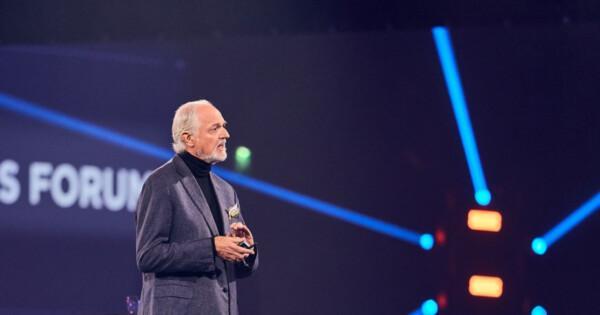
At the Nordic Business Forum 2026, global media leader, philanthropist, and founder of Harpo Productions, Oprah Winfrey stepped on the Main stage in Helsinki. During her keynote and discussion with moderator Holly Ransom, she reflected on the learnings from her career. On the basis of more than 4,500 episodes of The Oprah Winfrey Show and over 35,000 personal interviews, Oprah gave insights on the power of the human touch in business leadership.
Her message for senior decision-makers was grounded and clear: enduring success is not achieved through spreadsheets or external manipulation. Real leadership requires clarity of intention, obedience to your internal guidance, and the humility to ensure every person around you feels seen, heard, and understood.
The Universal Need for Validation
Throughout twenty-five consecutive years at number one on daytime television, Oprah sat face-to-face with people from every walk of life. She interviewed United States presidents, global billionaires, cultural icons, everyday citizens, and individuals incarcerated for violent crimes. Over time, she noticed a clear pattern across every single conversation.
At the end of an interview, every guest, regardless of their status, power, or background, asked a version of the exact same question:
“Did you see me? Did you hear me? Did what I say get through? And what I learned is that this is what every human being is looking for: validation.”
In leadership, acknowledging this basic human need changes everything. True active listening is not waiting for your turn to speak or checking notifications under the conference table. It requires giving your full presence to the person across from you. When leaders reflect back what an employee or client has shared, showing that their voice truly mattered, defensiveness softens and genuine trust begins to form.
The Law of Intention: Why Precedes What
Around 1989, Oprah read Gary Zukav’s The Seat of the Soul, an experience that radically transformed how she managed her company and personal life. Zukav linked intention to the law of cause and effect, matching the third law of motion in physics: every action produces an equal reaction, and the underlying motivation dictates the ultimate result.
Before discovering this principle, Oprah struggled with what she described as the “disease to please”. She regularly said yes to requests when she wanted to say no, driven by the desire to appear generous and agreeable. But because her actions did not reflect what she truly felt, they rarely produced positive results.
“It’s what I intend that’s going to determine the outcome, not what I want, not what I think about, not even what I desire. It’s what is the purest conscious and subconscious intention that is at work here.”
Once she recognized the power of this principle, she implemented a strict policy across her production company. Her producers were no longer allowed to pitch a show based solely on an interesting topic. They had to identify the specific intention behind the idea, ensuring that their purpose, Oprah’s focus, and the guest’s needs were in complete alignment.
For business executives, alignment of intention provides clarity and organizational power. When leaders ensure their teams understand not just what project needs to be delivered, but why it matters and who it serves, mixed agendas disappear and execution sharpens.
Following Your Internal GPS in Times of Noise
Every executive faces high-stakes decisions where expert opinions clash, data is incomplete, and outside noise feels overwhelming. In those moments, where do you turn for direction?
Oprah shared that every person is born with an internal guidance system, which she calls an “internal GPS”. Whether you describe it as instinct, intuition, or a quiet inner voice, this compass signals when an opportunity is right and warns you when something is off course.
She experienced this feeling at age five while watching her grandmother boil laundry in rural Mississippi, sensing that her life would take a different path. Decades later, when her mentors advised her against moving from Baltimore to Chicago to take over a struggling morning talk show, warning her that she would fail, that same inner voice told her it was time to take the leap.
“I know exactly when I’m being guided by the GPS or when I choose to go off course and listen to what my head says or what the business plan says or what other people say. But every time I’ve done that, I’ve gotten myself in really bad trouble, ended up in crises, ended up in struggle.”
To hear that internal voice, leaders must cultivate stillness. Intuition does not shout above boardrooms, endless emails, or crowded calendars; it speaks in silence. Whether through quiet meditation, time outdoors, or sitting in a sauna, leaders need protected moments of reflection to examine their true motives. You cannot guide an organization forward with confidence if you have not first established clarity within yourself.
Cultivating Excellence and Defining Real Legacy
When discussing long-term career growth, Oprah surprised the audience by sharing that she never operated from a rigid multi-year strategic roadmap. Instead, her entire professional life was guided by a single commitment: offering absolute excellence in the present moment.
Growing up in the segregated South, Oprah recognized that superior performance was the greatest counter to prejudice and doubt. When you carry out your responsibilities with care, word travels naturally. Doing your best in the current task inevitably opens the door to the next opportunity.
Equally important is how leaders define their company’s broader mission. Oprah recalled a visit to the eye doctor for a routine glaucoma exam. When she asked the technician why he took the job, he sighed and said he was simply working to pay the bills. Oprah gently reframed his perspective: through his measurements and careful calibration, he was directly helping doctors protect people’s sight.
Connecting his daily tasks to a larger human outcome brought tears to the technician’s eyes and transformed how he viewed his role.
Leaders must do the same for every employee on their team. Whether someone is writing code, managing supply chains, or maintaining company facilities, every role contributes to the larger organizational mission.
Closing her keynote, Oprah shared an essential lesson given to her by her mentor, poet Maya Angelou. When Oprah opened her leadership academy for girls in South Africa, she proudly declared the school would be her greatest legacy. Angelou firmly stopped her, explaining that legacy is never a building, an institution, or a financial donation.
Your true legacy is every life you touch. It is the emotional print you leave behind in the minds and hearts of your colleagues, your customers, and your community.
Key Points and Questions for Reflection
Key Points
- Validation is a universal human need: Every individual, from junior staff to senior executives, seeks to know that their presence is seen, their voice is heard, and their contributions matter.
- Intention dictates the outcome: Operating from obligation or people-pleasing breeds friction; alignment of conscious intention creates clarity and team momentum.
- Your internal GPS provides direction: Learning to quiet outside noise and trust your inner instincts prevents costly mistakes and guides bold, courageous decisions.
- Excellence creates the next opportunity: Committing to exceptional execution in your current role naturally builds reputation and unlocks future growth.
- Legacy is measured in human impact: An organization’s true legacy is not defined by brand logos or financial metrics, but by the lasting impression it leaves on the people it serves.
Questions for Reflection
- When was the last time you listened to an employee or colleague without interrupting, formulating an answer, or checking a screen?
- What is the true underlying intention behind your current key strategic projects, and is that intention clearly understood across your team?
- In moments of organizational friction or debate, do you make space for quiet reflection, or do you rush to implement immediate fixes?
- How can you help the different departments in your company see the direct human value of their daily work?
- What kind of lasting impression are your leadership decisions creating for your team members today?