Nordic Business Report is proud to present the Top 20 responsible leaders in northern Europe.
We’re eager to announce that the annual Nordic Business Report ranking of the most influential people in business has been released! This year, we take a look at the amazing individuals have earned international attention and praise for their work in the sustainability sector.
The Top 20 Responsible Leaders are all people who have risen to extraordinary heights in their respective fields to champion ideas that promote cleaner, more resilient economies. Finland is represented by Jukka Kurttila (#5), Mika Anttonen (#7), and Lea Rankinen (#13) for their strides towards corporate social responsibility. Other countries represented in this ranking include Sweden, Norway, Denmark, Iceland, Estonia, Latvia, Lithuania, and Russia.In
In first place, Danish activist Selina Juul (#1) is celebrated for her work to reduce food waste at a national level. Second place is awarded to Norwegian businessman Steinar J. Olsen (#2), the founder, CEO and chairman of the board at the Norwegian apparel company Stormberg. His accomplishments extend beyond his bottom line as 25% of his employees have underprivileged backgrounds, and 1% of Stormberg’s sales are allocated to social and humanitarian causes. He is followed by Swedish entrepreneur Malin Cronqvist (#3) for her efforts to improve education through her organization Help to Help. Since its launch in 2014, Help to Help has facilitated the education for 100 students, 41 of which have graduated.
Top 20 Responsible Leaders in Northern Europe
As anthropogenic greenhouse gas emissions continue to rise, people and businesses alike are focusing on becoming more responsible. The defining factors of responsible businesses include environmental, economic and social progress and equity — but only a few individuals actually champion this change. Despite a multitude of external pressures and demands, a growing group people are stepping up to the challenge by crafting affordable and scalable solutions that promote cleaner, more resilient economies.
To find the 20 most responsible leaders in northern Europe, we cast the net beyond the Nordics to include the Baltic states — Estonia, Latvia, Lithuania, and Russia.
1. Selina Juul
37, Russia-Denmark, Activist, Author, and Founder of Stop Wasting Food

At just 37 years old, Russian-born Selina Juul has made an indelible impression on the public consciousness in Denmark with her forceful advocacy for sustainability in food consumption and her forward-leaning activism to combat food waste. This fierce citizen warrior successfully parlayed her passion into a vocation by establishing the non-profit Stop Wasting Food.
As Denmark’s largest NGO in the sector, the organization harnesses the power of consumer voice to shape public opinion and encourage sustainable food consumption practices. The grassroots organization seeks to roll back the inroads of the modern throwaway society by providing viable alternatives to indiscriminate food wastage with the help of various campaigns, media awareness drives and active debate and discussion of the issue. Juul’s convictions have seen her expertise on the subject of food waste grow exponentially since she founded SWF in 2008.
Over the years, she has forged a deep national and international network and has partnered with the Danish government, the European Union, and the United Nations. The Russian-Danish advocate assisted with the review of the Food Loss and Waste Accounting and Reporting Standard, collaborated on the European Joint Declaration Against Food Waste and is a member of Danish government’s Partnership Against Food Waste.
Her work has been extensively covered by global media – more than 7,000 times. She is a speaker on the TEDx ideas exchange forum and a food waster blogger for the reputable Huffington Post media organization. Juul has partnered with Danish chefs and foodies to create a best-selling leftover cookbook; she is also a contributor to nearly two dozen Danish and international publications on food waste.
Since 2011, Juul’s activism has been recognized with many awards and acknowledgements, including the Nordic Council Nature and Environment Prize in 2013, the Dane of the Year award in 2014, the Cross of Merit Pro Utilitate Hominum of the Order of St. John in 2013, and was granted a Womenomics Influencer Award in 2016 by the international marketing agency Above & Beyond.
2. Steinar J. Olsen
47, Norway, Founder, CEO & Chairman, Stormberg
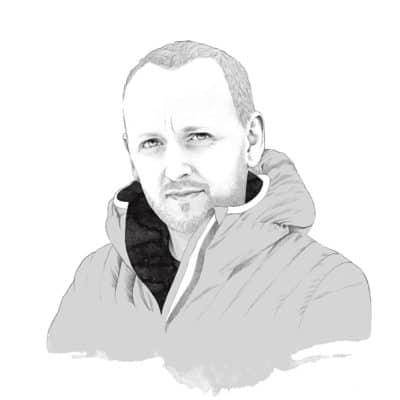
For Steinar J. Olsen, founder, CEO and Chairman of the Board at the Norwegian outdoor apparel company Stormberg, commitment to sustainability has meant embedding principles of social responsibility and inclusion in the company’s day to day operations.
Established in 1998, Stormberg is proof positive that sustainability and profitability can indeed walk hand in hand. The company posted revenues of NOK 262.3 million in 2013, had 284 employees on the payroll and has been climate neutral since 2008. At the same time, Stormberg’s mission declares, “we want to make the world a better place” and espouses honesty, courage, inclusivity, and sustainability as core values. In practice, this has meant including employees in major decision-making and hiring refugees and individuals with troubled backgrounds such as former convicts and drug addicts.
Stormberg’s ethical and socially responsible approaches extend to its dealings with suppliers and manufacturers in China. The company is a member of Norway’s Ethical Trading Initiative and crafted a Code of Conduct for its suppliers that
The company is a member of Norway’s Ethical Trading Initiative and has crafted a Code of Conduct for its suppliers that covers labor rights, environmental issues, workplace health and safety and fair pay. Stormberg’s sustainable and ethical credentials have seen it ranked first among Norwegian firms in the Nordic Sustainable Brand Index in 2016, and second in the 2017 ranking.
Stormberg was named Norway’s most family-friendly workplace (2009) and also received the Digital Awards Prize. In 2010 and 2011 founder Steinar J. Olsen served as a member of the Strategic Council for SMEs for Norway’s Ministry of Trade and Industry and is a member of its 2020 group. He has also served as a member of the Environment Ministry’s climate council.
3. Malin Cronqvist
29, Sweden, Founder & Chairman, Help to Help
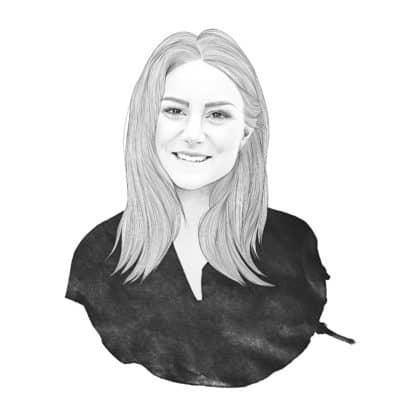 Young Swedish mover and shaker Malin Cronqvist chose action when she detected a gap between traditional aid programs and their intended beneficiaries. Unanswered questions about sustainability and transparency in the development aid sector inspired her to establish Help to Help in 2014, a crowdfunded non-profit providing support for higher education and employment for young people in Tanzania. The program mobilizes the generosity and commitment to societal development of individual and corporate donors to finance scholarships and skills development programs for recipients.
To date, operating through its virtuous circle approach, the NGO has funded scholarships for 100 students, while more than 800 students have joined its Skills for Employment training platform.
In 2014, Cronqvist’s activism earned her Danske Bank’s New Thinker of the Year Award, while in 2016, she was named one of Sweden’s most promising young entrepreneurs. Prior to that in 2015, the weekly business magazine Veckans Affärer named her one of Sweden’s 101 Super Talents, and in 2014 she was further singled out as one of the business newcomers to watch by Shortcut media group.
4. Lise Kingo
56, Denmark, CEO & Executive Director, UN Global Compact
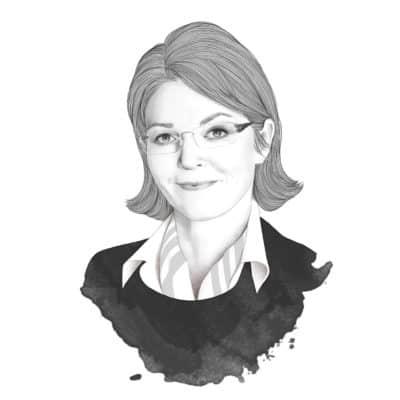 Lise Kingo’s portfolio of responsibilities straddles the spectrum of sustainability issues, ranging from her position as chair of the Danish Council for Corporate Responsibility to her role as deputy chair of the Danish Nature Foundation and her place on the board of the UK-based non-profit C3, Collaborating for Health. However, it is in her primary role as CEO & Executive Director of the United Nation’s Global Compact that Kingo has the greatest impact on corporate sustainability and responsibility issues.
Since her appointment to the UN body in 2015, Kingo has spearheaded a number of priorities to help achieve the organization’s goals of encouraging corporations to adopt sustainable and socially-responsible practices. She has also prioritized coordination with the UN’s wide-ranging Sustainable Development Goals and has pushed for greater cooperation among the private sector, international organizations and civil society as a means of achieving sustainability goals.
Prior to joining the UN, Kingo was Executive Vice President and a member of the executive team at the leading pharmaceuticals company, Novo Nordisk. She holds an M.Sc. in Responsibility and Business Practice from the University of Bath and a certificate in Corporate Governance from the prestigious graduate business school INSEAD.
In 2002, she was awarded the Edinburgh Medal, conferred by the Edinburgh International Science Festival and she was granted an Environmental Leadership Award by Tomorrow Magazine.
5. Jukka Kurttila
53, Finland, CEO, Finlayson
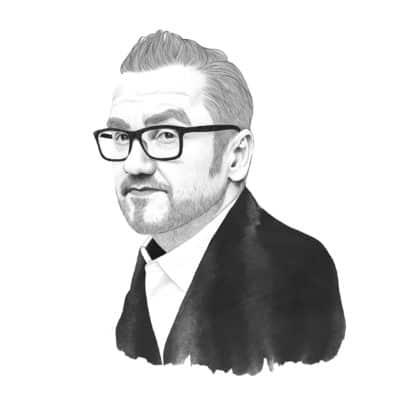
In 2014, Jukka Kurttila took a gamble and became the owner and CEO of Finland’s oldest textiles company, Finlayson. Since then he has successfully parlayed sustainability and social responsibility combined with aggressive marketing into commercial success.
The company has not been afraid to court controversy with products, strategies and concrete business decisions that reflect its perspective on social themes. In late 2014, the 200-year-old company heated up the national discourse about homophobia by launching a textiles line with bold reproductions of the racy homo-erotic art created by Touko Laaksonen, also known as the global gay icon Tom of Finland. Later, in spring 2015, Finlayson terminated its relationship with a major Finnish distributor over the latter’s support of a discriminatory online publication.
Kurttila also stewarded the launch of an augmented reality product series, Finlayson Plus, and initiated an in-house internship program for young designers.
The company reinforced its sustainability credentials by rolling out a recycling program to convert old sheets and jeans into rag rugs, and introduced a line of sheets with a 50-year guarantee. Finlayson is also a partner in anti-racism programs with NGOs such as the Finnish Red Cross.
Kurttila has seen Finlayson’s revenues and profits rise since taking the helm. He has donated part of the company’s revenues to assisting with the integration of refugees and asylum seekers – he plans to hire migrants and refugees to staff a pop-up outlet established in Stockholm in 2016.
6. Johan Henrik Andresen
56, Norway, Owner, Ferd
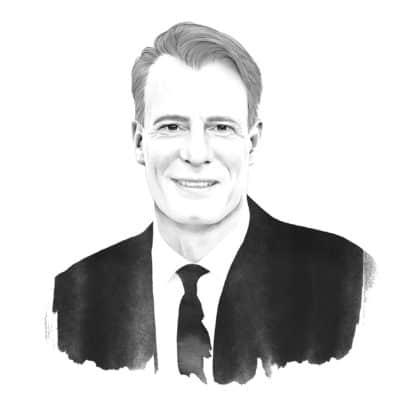
Listed as one of the wealthiest people in Norway with a personal net worth of USD 3.2 billion in 2016, industrialist and investor Johan Henrik Andresen has proven that commercial interests and philanthropy are not mutually exclusive.
Andresen is the owner of the investment conglomerate Ferd, one of Norway’s largest privately-owned companies. In 2015, the enterprise had an estimated valuation of NOK 26.3billion and in 2016 listed a total of 16,000 employees on the payroll.
The fifth-generation industrialist is also one of the biggest Norwegian investors in social enterprise projects. In 2008, he launched the Norwegian Microfinance Initiative (NMI) to help kickstart economic growth in impoverished countries. In 2009, he rolled out Ferd Social Entrepreneurs, a division dedicated to supporting organizations, projects, and individuals in programs whose social outcomes outweigh their financial results.
Andresen cites his backing for social entrepreneurship as one of his biggest achievements.
7. Mika Anttonen
51, Finland, Founder & Chairman, St1
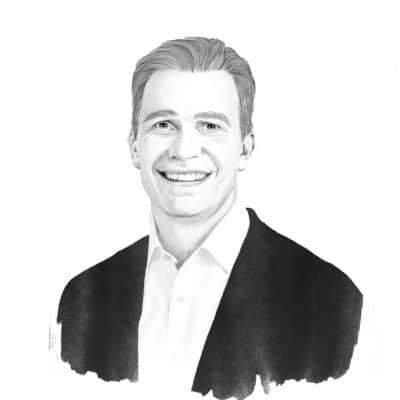
Mika Anttonen’s involvement in refining and marketing fossil fuels as the founder and chairman of Finnish energy company St1 has not prevented him from proactively exploring alternative sources of renewable energy for Nordic markets.
In 2016, the St1 group of companies posted revenues of EUR 5.5 billion, and employee headcount totaled roughly 700. By 2017, Anttonen had amassed a personal net worth of USD 1.4 billion to debut on the list of the world’s richest people compiled by Forbes business magazine.
Balancing the scales, Anttonen has devoted part of St1’s profits to developing renewable energy sources such as geothermal energy, industrial wind power, and waste-based ethanol fuels. In addition to taking concrete action to develop and commercialize alternative energy sources, under Anttonen’s leadership, St1 is also active in evangelizing about the need for technological breakthroughs to create new cost-efficient renewable energy solutions.
8. Reet Aus
43, Estonia, Founding Partner, Upmade
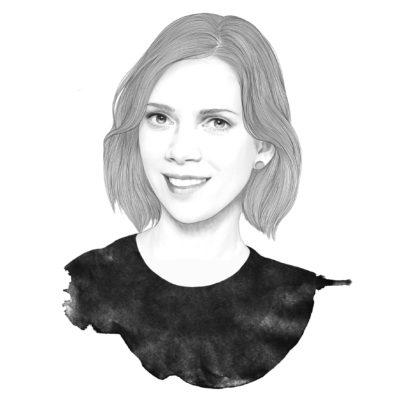 Estonian designer and visionary Reet Aus has made a successful career of incorporating sustainable approaches to couture and clothing production with her passion for fashion.
Aus has been championing her signature brand of “slow fashion” since 2005, using eco-friendly approaches such as upcycling post-production cast-off material to create pieces used in theater and film productions as well as one-off design.
In 2012, Aus established Upmade, a certification system for brands and clothing manufacturers to implement industrial upcycling, thereby reducing water use, CO2 emissions and energy usage. Aus has received wide recognition for her work in fusing couture with corporate responsibility. In 2014, she was granted the Woman of the Year Award by the Estonian Women’s Association, while in 2015 she was named among the top 20 women entrepreneurs in the Nordics. She followed up those distinctions with Estonia’s White Star Class V Order in 2016.
9. Yuri Milner
56, Russia, Founder, DST Global

Tagged as Russia’s most influential tech investor, Yuri Milner made early – and well-placed – investments in Facebook and Twitter through his venture fund DST Global before they became today’s social media heavyweights. He also presciently trained his sights on currently hot targets such as Spotify, Airbnb, Alibaba, WhatsApp, Groupon and others.
Milner was named one of the world’s greatest leaders by Fortune magazine and was listed as a “Titan” on Time magazine’s list of the world’s 100 most influential people in 2016. As a physicist, Milner sought to sponsor scientific inquiry by establishing the Breakthrough Prize in 2012. The USD 3 million award recognizes accomplishments in Fundamental Physics, Life Sciences and Mathematics.
Later, in 2015, he launched Breakthrough Initiatives, a scientific program to investigate the origin of life in our universe. A junior Breakthrough Challenge was also introduced to encourage scientific achievement among 13- to 18-year-olds.
10. Robert Kitt
40, Estonia, CEO, Swedbank Estonia
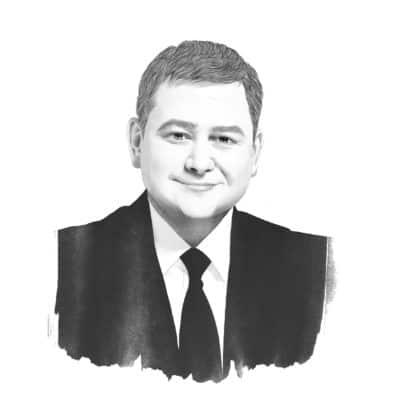
As chief executive and chairman of Swedbank Estonia, Robert Kitt has been credited with transforming the institution from a conservative financial organization into a bastion of corporate social responsibility.
The driving force for the revolution has been Kitt’s personal belief in contributing to the broader society and having a meaningful impact on the world. It is a principle that he also imparts to his students at Tallinn University of Technology, where he is a Professor of Finance and Complex Systems Analysis.
Kitt has developed a “time donation” program that provides bank employees with two paid days off for the express purpose of professional development and social contribution. The bank has sponsored activities such as assisting at animal shelters and orphanages.
Entrepreneurs and other corporations have also adopted the time donation system, continually expanding Kitt’s virtuous circle of social responsibility.
11. Jim Hagemann Snabe
53, Denmark, Chairman, Maersk
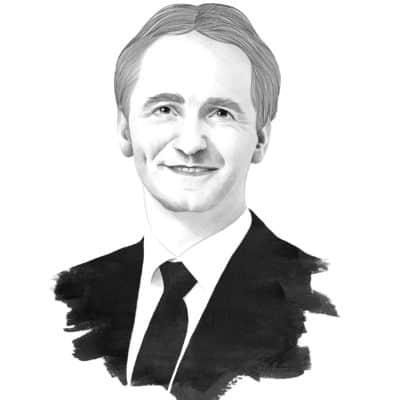 As a global business leader, Jim Hagemann Snabe has highlighted the importance of corporations in advancing societal progress.
Prior to joining the global shipping giant Maersk, as co-CEO of multinational software company SAP, Snabe led the firm to adopt a more sustainable and responsible role in society.
In 2013 and 2014, SAP was listed the world’s most sustainable software firm by the Dow Jones Sustainability Index. Snabe joined the World Economic Forum in 2014 as a member of the Board of Trustees, where he is actively involved in working with the public, private and non-profit sectors to shape a more sustainable future.
The IT industry veteran invests personally in leadership development by way of mentorships and other programs. He is a contributor to and member of the Board Leadership Society in Denmark and heavily involved in creating and administering a new executive leadership program at Copenhagen Business School, where he was appointed Adjunct Professor in 2016.
12. Aiva Vīksna
50, Latvia, Executive Director, Applied Information Service
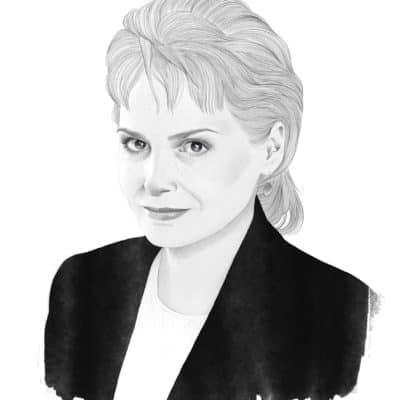
In her native Latvia, Aiva Viksna is celebrated as an inspiration for women, particularly women operating in the male-dominated business arena, where she has long lobbied for equal representation.
In 2003, she partnered with seven of her peers to establish the NGO “Lidere” (Women Leaders), which promotes the active participation of women in entrepreneurship. Since then it has been one of the most active and well-known entrepreneurship NGOs in Latvia.
As organization chair, Viksna leads the non-profit in providing mentoring services to women entrepreneurs across the country with a view to increasing female participation in business and job creation. A seasoned entrepreneur herself, Viksna is Executive Director of the publishing company Applied Information Service Ltd, and has also been an investor and co-owner in an aluminum recycling plant.
Aiva Viksna is the Vice President of the Latvian Confederation of Employers and Member of the Latvian – British Business Council.
13. Lea Rankinen
44, Finland, SVP Sustainability, S-Group
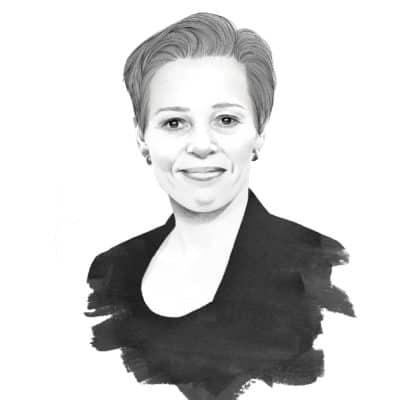
Lea Rankinen serves faithfully and resolutely as social responsibility watchdog at Finland’s leading retailer, the S-Group. In her role as Senior Vice President for Sustainability, Rankinen represents the organization’s corporate conscience and ensures that operations in the home market as well in supplier countries can stand up to scrutiny on human rights and other ethical issues.
Rankinen has ably executed the firm’s sustainability strategy, and safeguarded its corporate responsibility and ethical codes – a particularly demanding assignment for a company that sources many of its products from territories where worker protections are often weak or altogether lacking. The role has involved close monitoring of its supply chain, enforcing CSR clauses in supplier contracts, and using external auditors to monitor external suppliers.
In 2013, when a report by the NGO Finnwatch flagged instances of forced labor by a Thai supplier, the company met the whistleblower and affected workers and eventually terminated its relationship with the supplier. When the supplier sued the whistleblower, S-Group testified on his behalf. Rankinen continues to lead the group in its quest for transparency and sustainable practices in its supplier network.
14. Robert Moldén
26, Sweden, Founder & CEO, Nema Problema Foundation
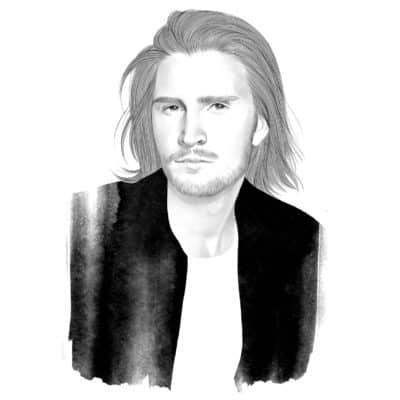 Young and driven, 26-year-old Robert Moldén is the one of the dynamic forces behind the Nema Problema Foundation non-profit established in 2014.
The organization aims to harness the idealism and commitment of its seven founding members to bring about societal change. Its infectious principle of service in countries such as Ghana and Ukraine, has helped the NGO amass a growing corps of volunteers eager to make a difference. The organization has also collaborated with Moldén’s home municipality of Lindigö to help migrants integrate by encouraging local business leaders to recognize their potential and help create employment opportunities for them.
Providing support for arrivals keen on entrepreneurship is also part of the group’s integration program. Part of the financing for the NGO’s operations comes from a car dealership that Moldén set up in 2010, when he was just 19 years old. In recognition of the young social entrepreneur’s efforts, the city of Stockholm named him Entrepreneur of the Year 2017.
15. Hörður Arnarson
Iceland, CEO, Landsvirkjun
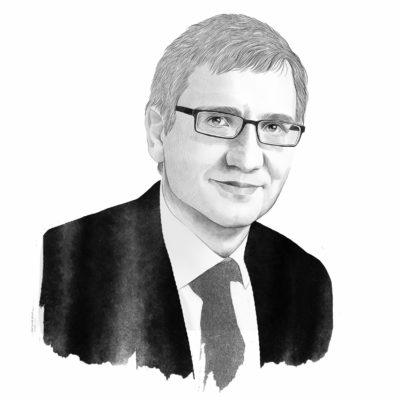 As a state-owned power generation company supplying 73% of Iceland’s electricity, Landsvirkjun or the National Power Company of Iceland, plays a key role the country’s energy policy. As chief executive of Landsvirkjun since 2009, Hordur Arnarson wields a great deal of influence over such policy.
An electrical engineer by training, Arnarson’s regard for sustainable energy policy is reflected in the power company’s heavy reliance on renewable energy sources such as hydroelectric and geothermal power.
Arnarson has articulated the company’s role as pursuing innovative and unconventional pathways to technology development, achieving the extraordinary, and becoming a leader in the use of renewable energy sources. Extraordinary is certainly an apt epithet for a proposal to exploit the geothermal power residing in Iceland’s volcanic magma deposits – and possibly even export them to markets such as the UK and Europe.
16. Sofia Appelgren
35, Sweden, Founder, Mitt Liv
 In 2008, social entrepreneur Sofia Appelgren set out to challenge notions about diversity and inclusion in the Swedish workplace by establishing the non-profit Mitt Liv to incorporate candidates otherwise excluded from job opportunities.
The organization offers mentorship programs for non-Swedish jobseekers who struggle to find work that corresponds with their education and training as well as their previous careers. Working with companies and organizations that welcome diversity helps Mitt Liv bridge the gap between open-minded employers and otherwise marginalized candidates.
Appelgren has received many commendations for her mission to bring diversity and inclusivity to the Swedish labor market. In 2013, she was named Sweden’s Best Social Entrepreneur and in 2015 Time Magazine listed her among the world’s Next Generation Leaders. She followed that up in 2016 with a place on the Human Centered Business Index collated by the Swedish consulting firm Lumen Behavior.
17. Rasmus Rask
Estonia, Founder, La Muu
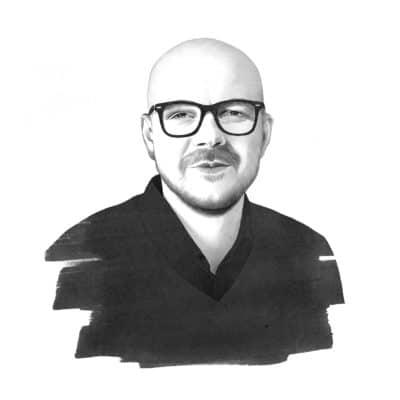 Estonian Rasmus Rask fluidly navigates multiple roles as entrepreneur, citizen activist, and community builder. In 2012, Rask the entrepreneur established La Muu ice cream company, Estonia’s first eco-friendly product, essentially in his kitchen.
Rask’s home-made ice cream company won Enterprise Estonia’s the Designer of the Year Award in the eco-label category in 2014, for the attention to sustainability that runs through its operations. The product showcases locally-sourced organic fruit, packaging is made from recyclable materials, the production facility prioritizes natural materials such as wood for work surfaces, and aprons worn by employees are made from repurposed materials by up-cycler par excellence, Reet Aus.
In his role as socialpreneur, Rask co-founded a school anti-bullying foundation, which helped reduce bullying by 17% in schools that implemented the pilot program in the 2013-2014 academic year. He is also a founder and board member of the re-use center MTÜ Uuskasutus and a board member of the Healthy Estonia movement to combat alcohol consumption and advertising.
18. Peder Holk Nielsen
61, Denmark, President & CEO, Novozymes
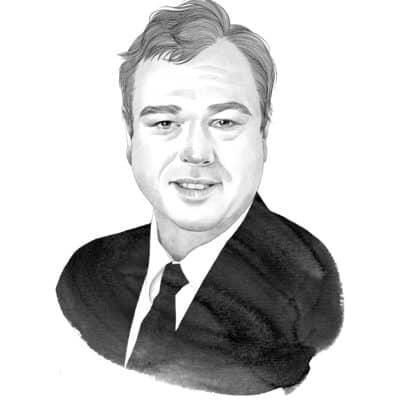 It’s no fluke that Forbes business magazine named Peder Holk Nielsen one of an elite list of 30 Global Game Changers in 2016. As President and CEO of the Denmark-based global biotech company Novozymes, Nielsen is uniquely poised to make a difference in the lives of billions. Part of that disruptive ability involves discovering ways to use enzymes and microbes to make everyday products and industrial processes more sustainable by saving energy, water and raw materials, and reducing waste and emissions.
The company believes in balancing good business for itself and its customers while spearheading environmental and social change – and it is putting its money where its mouth is. It has actively factored climate goals and Sustainable Development Goals into its business plan, and has specifically targeted slowing global climate change and boosting food security as areas where it can make a difference.
Novozymes has also ploughed more of its resources into enzymes for use in biofuels in a bid to scale up production of the cost-effective alternative to fossil fuels.
19. Algirdas Bumelis
68, Lithuania, Chairman, Biotechpharma
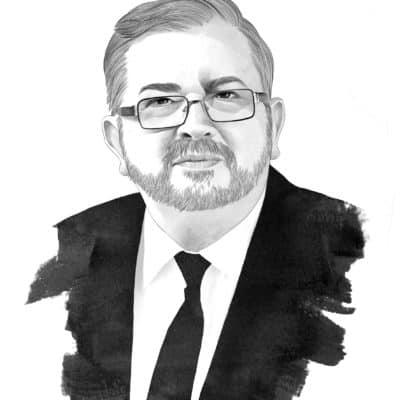 Algirdas Bumelis has used his background as a scientist and his role as President of Lithuania’s hi-tech and industrial cluster Santara Valley, to advocate for stronger links between science and business.
Bumelis is Chairman of the Advisory Board of Biotechpharma, a research and development organization for global biotech pharmacy clients. A chemist, enzymologist and biotechnologist, Bumelis is a member of the Praesidium of the Lithuanian Academy of Sciences.
As an entrepreneur, Bumelis has many notches on his belt: before his posting at Biotechpharma, he served in senior management positions at international companies in the biopharma industry such as Teva Pharmaceuticals, Sifor Inc., Biofa and Biotechna.
Bumelis’ long and illustrious career has been recognized many times since 2000. Most recently in 2014, he was co-nominated for the Global Lithuanian Award for his work advancing international innovation, while in 2012, he was named Business Leader of the Year by Veidas magazine.
20. Arve Ulriksen
54, Norway, CEO, Mo Industripark
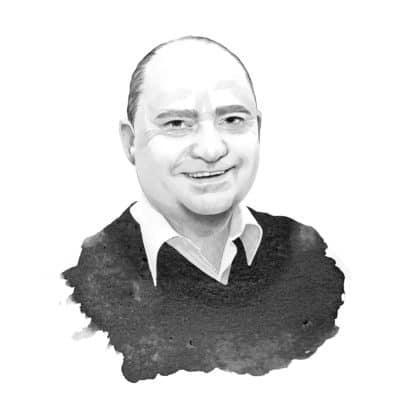 Since his appointment as CEO of Mo Industripark (MIP), Arve Ulriksen has actively championed, initiated and steered several initiatives aimed at introducing green, sustainable and circular business models to the old industrial site.
Under Ulriksen’s capable stewardship, Mo Industripark has achieved a leading position as an environmentally-sustainable and energy-efficient industrial cluster dedicated to environmental stewardship. MIP has partnered with researchers to drive the circular economy by establishing a recycling division and has invested heavily in energy recovery systems. Not surprisingly, the estate relies on renewable energy sources to power industrial activities for more than 100 companies, many operating in the extractive and metal manufacturing sectors.
MIP has adopted sustainability indicators to serve as signposts for resource efficiency and has identified global climate change as a driver for restructuring industry to make it more sustainable.
Criteria
The essential criteria for evaluating candidates included: their drive towards social and environmental responsibility, the scope of their work, the result of their efforts, and their influence over consumer behavior. Additional considerations included the future potential and financial viability of their ideas. To help guide the jury in the selection process, the United Nations’ Sustainable Development Goals (SDGs) were used to qualify the impact of candidates’ work.
Candidates were submitted by nine countries, based on national jury panels. From dozens of applicants, the final Top 20 list includes entrepreneurs, business leaders, and activists that have made outstanding contributions to society.
The world is going through a paradigm shift; sustainability used to be an afterthought, but it’s becoming an indicator of successful societies. The final selection in the Top 20 hopes to reflect those individuals leading the charge and creating responsible best practices for others to follow. The challenge for the selection committee was analyzing the qualitative nature of responsibility; no two actions are comparable, so the whole picture needs to be taken into account.
Danish food waste activist Selina Juul came in at number one, owing to her simple yet effective methods that have been turned into government-driven laws for sustainability. Further down the list, investment titans Johan Henrik Andresen (#6) and Yuri Milner (#9), and energy influencers Mika Anttonen (#7) and Hörður Arnarson (#15), have made the list for their results-driven work ethic, and their progressive views on alternative energy.
Jury
Finland
- Sirpa Juutinen, Partner, Sustainability & Climate Change, PwC
- Annu Nieminen, Member of the board, Kasvuryhmä
- Tuuli Mäkelä, Senior Adviser, Confederation of Finnish Industries (EK)
- Kati Malmelin, Director, Corporate Relations, WWF Finland
Denmark
- Analisa Winther, Director of Entrepreneurship and Community SingularityU Denmark
- Rune Gottlieb Skovgaard, Chief Advisor CSRgov.dk
- Birgitte Mogensen, CEO, Board Management
- Kaisa Tikk, Global Sustainability Advisor, Maersk Transport & Logistics
Iceland
- Helga Valfells, Managing Director, NSA Ventures
- Brynjólfur Borgar Jónsson, Founder, Data Lab Iceland
- Þórey Vilhjálmsdóttir, Associate Partner, Capacent
Estonia
- Kristiina Esop, CEO, Responsible Business Forum Estonia
- Piret Reinson, Head of Marketing, Enterprise Estonia
- Kerttu Kongas, Editor in Chief, Director magazine
- Peeter Tars, National President, JCI Estonia
- Heidi Kakko, Managing Director, Estonian Business Angels Network
Latvia
- Agnese Alksne, Chairwoman of the Board, CSR Latvia
- Andris Ozols, Director Investment and Development, Agency of Latvia
- Auseklis Sarkans, National President, JCI Latvia
Lithuania
- Gytis Morkūnas, Director of Entrepreneurship Department Enterprise Lithuania
- Eugenija Grižibauskienė, Editor of Econonomic Department Lietuvos Rytas
- Edita Smindriunaite, National President JCI Lithuania
- Vaiva Brazionyte, Senior Business Consultant UAB “Ekonomines konsultacijos ir tyrimai”
- Audrone Alijosiute, CEO Responsible Bussiness Association of Lithuania, LAVA
Sweden
- Katharina Paoli, Chairwoman A Win Win World
- Niclas Carlsson, Founder & CEO Founders Alliance
- Marianne Bogle, Managing Director, CSR SWEDEN
- Louise von Rosen, Verksamhetskoordinator Young Entrepreneurs of Sweden
Norway
- Ole Øvretveit, General Manager, The Arctic Frontiers secretariat
- Inger Solberg, Director of Sustainability Norway Innovation Norway
- Kristin Grøntoft, Communications Director IF
Russia
- Elena Feoktistova, Deputy Head of the Committee on Corporate Social Responsibility and Demographic Policies;
- Managing Director for Corporate Responsibility and Sustainable Development, Russian Union of Industrialists and Enterpreneurs
- Maria Rudakova, Director of Research and Analytics Department Association of Managers
- Irina Mitrofanova, Director RBC Publishing House
- Anna Chetvergova, Producer Live. Group