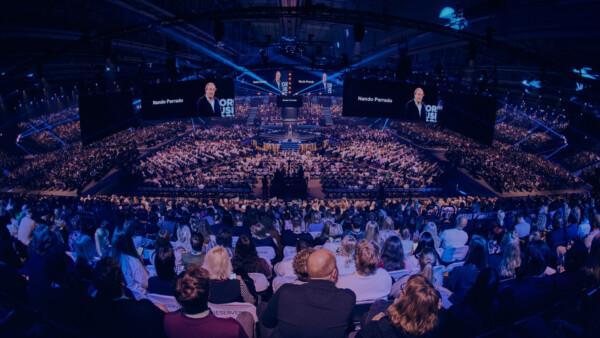
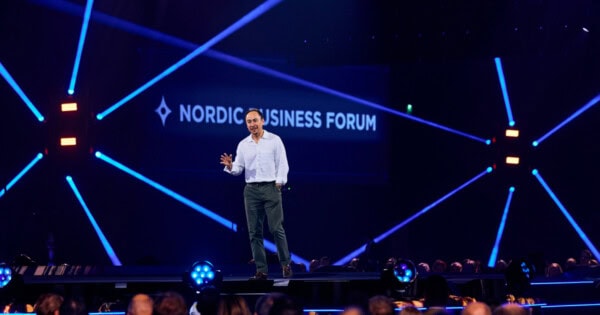
At our recent NBF Connect gathering for HR leaders, we explored what it really means to build a human-centered workplace. Rasmus Vuorinen from Sponda shared the findings of their latest survey, “The Current State and Outlook for Office Work 2025,” which led to a discussion around leadership, workplace, collaboration, and culture.
The conversation was insightful, honest, and forward-looking. And while every perspective was unique, a few clear themes emerged. Here are 6 key takeaways from the discussion:
1. Psychological Safety Is a Performance Driver
A workplace where people feel safe to speak up, ask questions, and make mistakes isn’t just nice to have; it’s critical for innovation, collaboration, and trust. HR leaders are seeing that safety supports engagement, and engagement drives results.
2. Hybrid Work Is Here to Stay (But Improvement Is Needed)
While many organizations are operating on hybrid models, there’s still work to do in making them work well. Flexibility is valued, but employees also long for connection. Leaders must intentionally design experiences—both physical and virtual—that encourage belonging and culture.
3. The Office Needs to Evolve
The role of the office is changing from a place of routine work to a hub for collaboration, creativity, and identity. Space design should reflect purpose, and environments should invite people in; not mandate attendance.
4. Leaders Must Create Meaning
In uncertain times, employees look to their leaders not for all the answers, but for direction, clarity, and reassurance. The ability to communicate purpose, show vulnerability, and create coherence is more important than ever.
5. Culture Needs to Evolve
Culture is not something you can lead on autopilot. It must be nurtured through stories, rituals, recognition, and consistent behavior from leaders. People need to see and feel what the organization stands for every day.
6. HR’s Role Is More Strategic than Ever
HR today is much more than policies and processes; it’s about shaping the employee experience, enabling performance, and influencing the future of work. As one participant put it, “We’re not just supporting the business; we are the business.”
The Core of the Human Workplace
As we move toward the future of work, one thing is clear: it’s deeply human. It’s shaped by trust, empathy, connection, and purpose. The insights from the discussion also reaffirm a shared belief: the most human companies will be the most resilient, adaptive, and attractive in the years to come.
What the discussion also reminded us was that while the challenges are complex, we’re not (or at least should not be) solving them alone. We should connect, openly discuss, and learn together in order to shape workplaces that don’t just function but will flourish.